
Objective Diagnostic Services
TBI Northwest implements cutting edge technologies to comprehensively assess all integrated biological systems. Brain injury impairment can present in many ways, so any assessment should consider cognitive, limbic (i.e., emotional), visuomotor, vestibular (i.e. balance and spatial sense), motor, sensory, coordination, musculoskeletal and autonomic nervous system function.
Videonystagmography/RightEye
NEUROLIGN VNG:
VNG tests include nystagmus with and without vision, pursuit tracking, saccade testing, and optokinetic oculomotor tests.
Vestibular function tests, with an air or water caloric irrigator, can help identify the side of a vestibular weakness.
The equipment used at our offices also looks at vergence (near/far), and reaction time including visual, auditory, and motor.
RIGHTEYE:
“RightEye Sensorimotor allows eye care professionals to quickly and objectively identify and address previously unknown binocular vision issues and oculomotor dysfunction in every patient.
Built on the FDA-cleared RightEye Vision System™ and backed by over 30 years of science, RightEye Sensorimotor is designed to improve patient care and increase practice revenue.”
https://righteye.com/
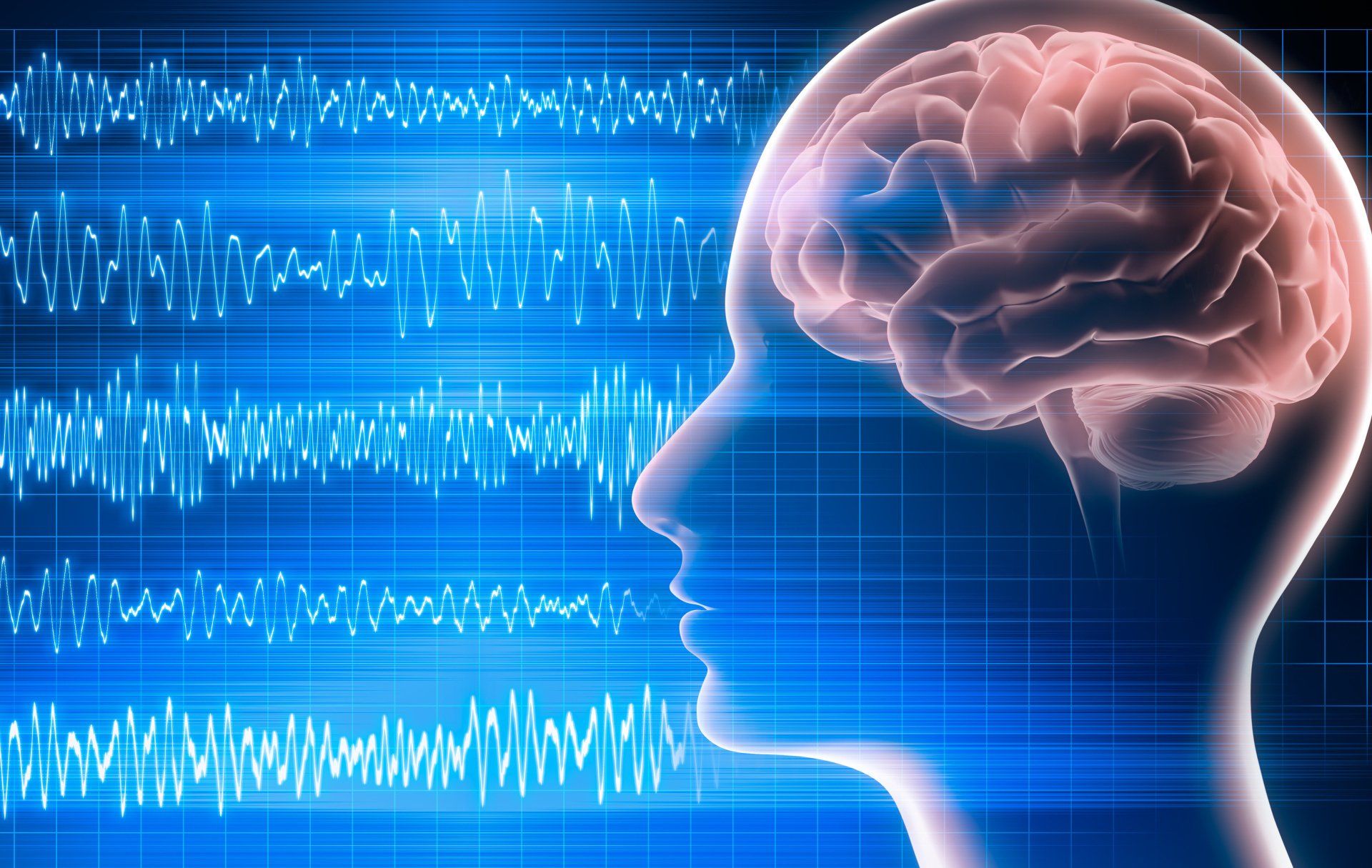
Quantitative Electroencephalography
What qEEG can show after a TBI
qEEG does not “diagnose” a concussion by itself, but it can provide objective information about how the brain is functioning. After TBI, qEEG may help identify:
Slowed or inefficient activity in areas involved in attention, processing speed, and mental fatigue
Imbalances between brain regions, such as over-activity in stress networks or under-activity in focus networks
Connectivity changes (how well different brain areas coordinate with each other) that can relate to symptoms like brain fog, dizziness, headaches, sleep disruption, mood changes, or light sensitivity

Posturography
VESTIBULAR TECHNOLOGIES (VT):
It is well established in the scientific literature that even mild Traumatic Brain Injuries (mTBIs) affect balance; for this reason, tasks involving balance and coordination are commonly used to determine neurological function in sports-related concussion [2][3]. According to Davis et al. [4] "Currently, all tests and investigations, with the exception of clinical balance testing, remain experimental". vestibtech.com
ICS IMPULSE:
The head impulse test (HIT) provides quick, clear-cut lateralization of a lesion; specific assessment of the vestibular ocular reflex response to stimuli in the high-frequency range, the natural range of head movements. It is the only test that can assess all six semicircular canals. ICS Impulse® from Otometrics is the world’s first vHIT device to combine gold-standard accuracy with unrivaled patient comfort, enabling you to perform head impulse testing with inarguable results. hearing-balance.natus.com
[2] Schneiders AG, Sullivan SJ, Gray AR, Hammond-Tooke GD, McCrory PR. "Normative values for three clinical measures of motor performance used in the neurological assessment of sports concussion."
J Sci Med Sport. 2010 Mar;13(2):196-201. Epub 2009 Jun 27.
[3] Guskiewicz KM. "Assessment of postural stability following sport-related concussion." Curr Sports Med Rep. 2003 Feb;2(1):24-30.
[4] Davis GA, Iverson GL, Guskiewicz KM, Ptito A, Johnston KM "Contributions of neuroimaging, balance testing, electrophysiology and blood markers to the assessment of sport-related concussion." Br J Sports Med. 2009 May;43 Suppl 1:i36-45.
Cognitive Function Assessment
CNS Vital Signs is a brief, computerized cognitive assessment that measures how well key brain systems are functioning after a TBI. It evaluates domains commonly affected by concussion—such as processing speed, attention, memory, executive function, and reaction time—and compares results to age-based norms.
For limbic-related symptoms (mood, stress reactivity, sleep disruption, irritability), CNS Vital Signs doesn’t “diagnose” emotional conditions by itself, but it can help show the functional impact those issues often have on cognition—especially working memory, focus, cognitive flexibility, and mental efficiency—and provides a baseline to track recovery and treatment response over time.
Autonomic Nervous System Testing
ANS:
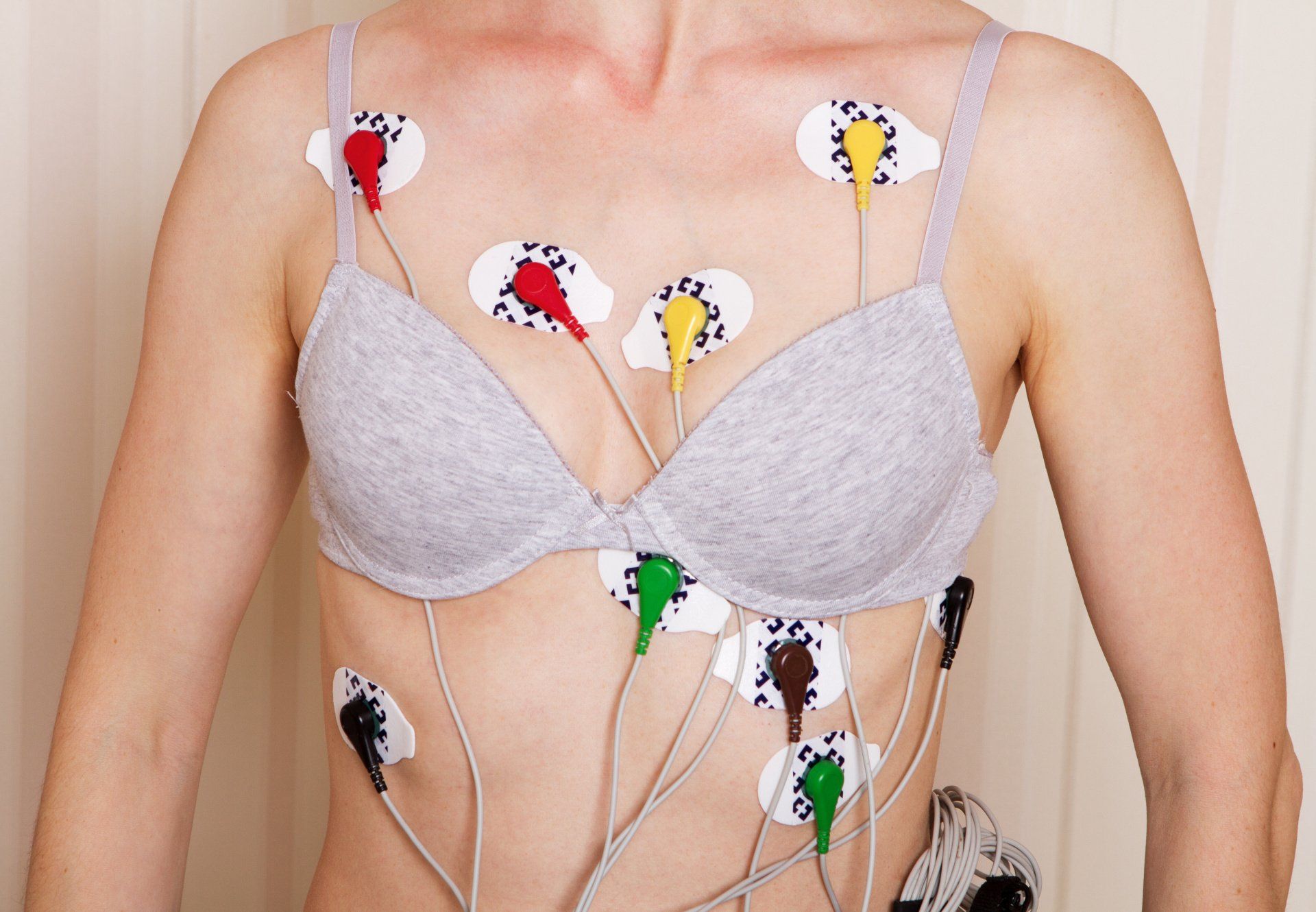
VitalScan ANS / Cardiovascular (CV) testing is a non-invasive way to assess how well the body’s “autopilot” system—the autonomic nervous system—regulates heart and blood pressure, especially when TBI symptoms suggest dysautonomia.
It typically measures heart rate variability (HRV) and blood pressure while you complete controlled steps such as resting, paced breathing, and posture changes (sitting to standing). The goal is to evaluate how your cardiovascular system adapts to stress and recovery demands.
After TBI, this testing can help identify:
Autonomic imbalance (overactive stress response vs reduced recovery tone)
Orthostatic intolerance patterns (lightheadedness, fatigue, “head rush” on standing)
Objective baseline metrics to track changes over time and treatment response
Results are most meaningful when interpreted alongside symptoms, physical exam findings, and other functional testing.
PUPILLOMETRY:
REFLEX is a clinically validated tool that is easy, objective, and repeatable.
- an objective biomarker for autonomic responses
- for a clinical measure for proper dosage of therapies
- as an indicator for neuro-integrity
to understand the way responds to therapies
Visual, Auditory, Dual-Task
The combination of modules on the VNG and on RightEye assess the motor response time to various challenges. The motor response time to both visual and auditory stimuli is obtained. Additionally, simple vs. more complex decision-making is also tested.